- Online Art Gallery
- Buy Art Online
- Wall Paintings
- Art Marketplace
- Worldwide Shipping


Exploring the Rich Heritage of Indian Art Paintings
Jul 11, 2025
0 comment(s)
Exploring the Rich Heritage of Indian Art Paintings
Indian culture is rich in impressive history over the centuries, at different times and in different places. From complex murals to colorful folk art, the paintings portray mythological stories, real stories and spiritual beliefs. Indian Art Paintings display a unique blend of mythology, history, and cultural expression. These art work similarly reflect the rich background of the subcontinent itself. As in keeping with ancient information, those artworks display spiritual tales and every day lifestyles customs from one-of-a-kind regions. Regarding the art forms, they consist of wall artwork and small distinct paintings that capture nearby traditions and beliefs. Regarding their specific features, these patterns show wonderful portray strategies and colour selections. Indian Art Paintings in addition preserve cultural reminiscence and encourage present day art itself. These works have a good time India's aesthetic and non secular essence.
Table of Contents
1. Madhubani
2. Pattachitra
3. Warli Paintings
4. Kalamkari
5. Miniature Paintings
6. Gond Art
7. Pichwai Paintings
8. Lippan Kaam
9. Rajput Paintings
10. Pahari Paintings
11. Kerala Murals
Introduction
Indian Art Paintings display a unique blend of mythology, history, and cultural expression. These art work similarly reflect the rich background of the subcontinent itself. As in keeping with ancient information, those artworks display spiritual tales and every day lifestyles customs from one-of-a-kind regions. Regarding the art forms, they consist of wall artwork and small distinct paintings that capture nearby traditions and beliefs. Regarding their specific features, these patterns show wonderful portray strategies and colour selections. Indian Art Paintings in addition preserve cultural reminiscence and encourage present day art itself. These works have a good time India's aesthetic and non secular essence.
1. Madhubani
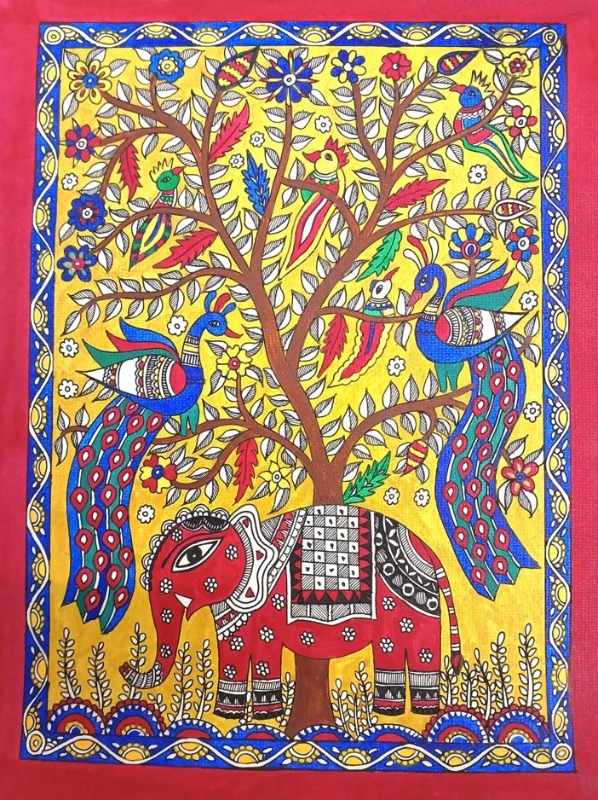
Madhubani portray honestly started in Bihar's Mithila place as wall artwork made by neighborhood people. Moreover, this artwork shape has turn out to be one of India's most well-known conventional paintings today. We are on account that British colonial officer William G. Simplest found this. As in step with Archer in 1934, this people art received popularity concerning its beautiful depictions of tradition, rituals, and mythology. This style is well-known for its ambitious geometrical patterns, shiny colorations, and symbolic photos. Further, the style itself makes use of those elements to create hanging visible effects. As in line with creative evaluation, Madhubani art creates best stability among ambitious designs and simple forms. Regarding its specific fashion, this art shape combines strong styles with clean techniques not like different portray techniques.
2. Pattachitra
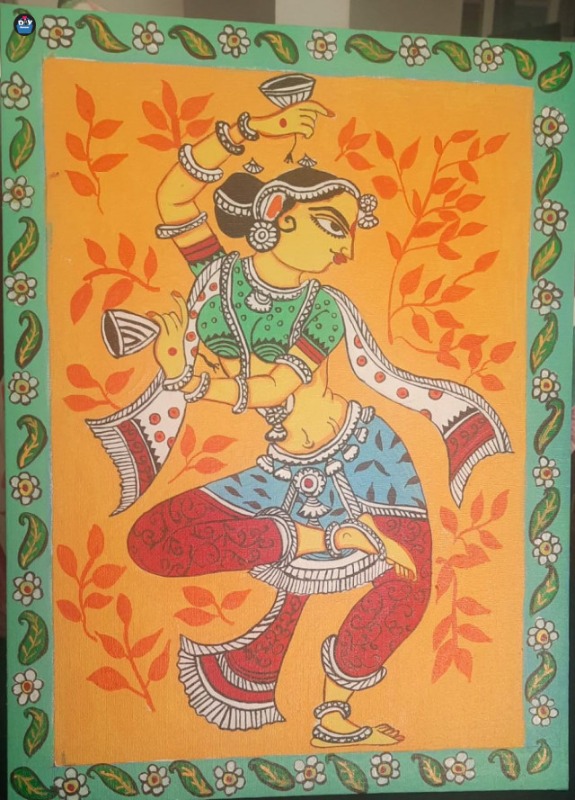
Pattachti art work is shiny scroll artifacts from Odisha and West Bengal which can be more than a thousand years old. Regarding Indian art paintings, the patter is an essential type with very colored designs. The Pattachch comes from the Sanskrit words "Patta", which means the meaning of cloth and "Chitra", and it indicates mythological memories of Lord Jagannath, Radha Krishna and Rama. In addition, this artwork uses vibrant colors and specified floral boundaries to make the form artwork stunning. Pattachirra actually made on cotton or palm leaves with clay and tamarind paste. Artists now use silk and herbal mansion.
3. Warli Paintings
War paintings definitely represent the ancient artistic heritage of India, which originated from 2,500 years ago in the regions of Thane and Nashik de Maharashtra. In addition, this timeless art form is an important part of the traditions of Indian painting. Basically, these paintings come from tribal communities and show nature, festivals and social traditions using simple geometric shapes and similar colors. Warley's linear style certainly attracts the spirit of ancient cave paintings, showing how humans combine with nature. Moreover, this simple art form emphasizes the bond of Bonds between people and their environment. This tribal art has been preserved and adapted for many centuries. Moreover, it now reaches people around the world through the GAL Naline Galleries.
4. Kalamkari
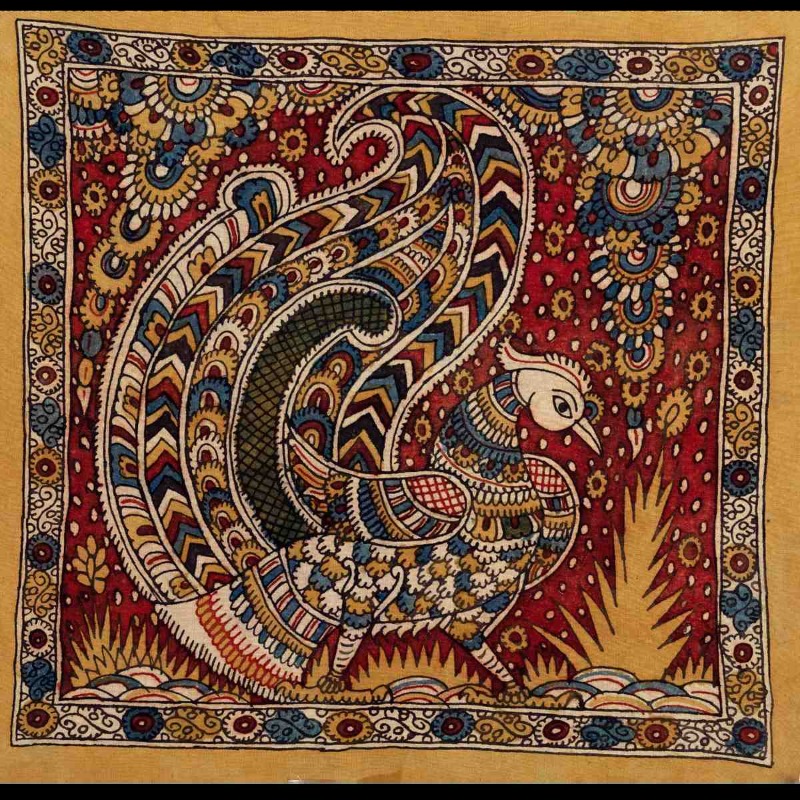
Indian art paintings actually have many traditional styles, and Kalamkari is definitely special for its detailed pen drawings. This art form comes from Andhra Pradesh and actually has two main styles - Machilipatnam and Srikalahasti. Machilipatnam style surely uses block-printing methods to make detailed patterns with natural colors. Moreover, Srikalahasti style focuses on freehand drawing directly on cloth to create mythological stories with fine precision. Both forms surely display the rich cultural heritage and artistic traditions of the region. Moreover, they reflect the deep artistic understanding of the local people. Basically, Kalamkari is the same traditional Indian art that still inspires modern textile and visual arts today.
5. Miniature Paintings
Indian art paintings achieved a major milestone about small painting development during the 16th century under the Mughal rule. We are watching this style mixing Islamic, Persian and Indian influences, making very wide and complex artifacts. Artists actually paint short pictures on the vasli paper using natural colors from minerals and stones. They definitely use gold, silver and conch shells to make these small pictures. These paintings certainly became famous for her wide brushwork and artistic style. In addition, they developed in various regional schools like Mughal, Rajasthan, Kangra, Pahdi, Malwa and Deccan. We are seeing that short pictures in India show very careful work and rich culture that pass from one generation to another.
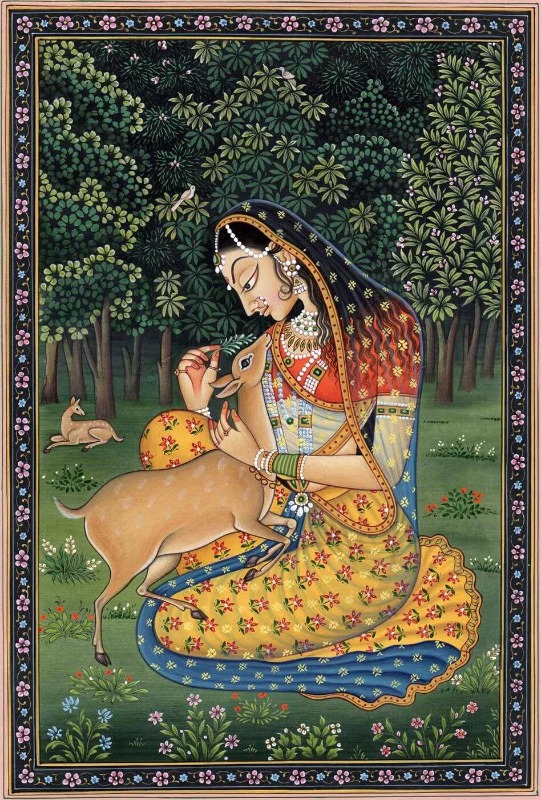
6. Gond Art
Gond paintings of the Gondi tribe of Central India are very important about full Indian art collection. Gond paintings certainly use detailed dots, dash and patterns to show subjects from mythological stories, oral traditions, rituals and nature. In addition, these complex designs beautifully hold the rich cultural heritage of the Gond community. In addition, traditional Gond artists actually used natural colors from soil, plants, flowers and charcoal. Modern Gond painters definitely use commercial water-based colors on paper and canvas. Gond Art has certainly recognized worldwide over time, such as famous artists such as Jangar Singh Shyam, Bhaju Shyam, Venkat Shyam and Durga Bai Vyam.
7. Pichwai Paintings
Basically, Pichwai paintings are the same elaborate wall hangings that were made to put behind Krishna idols in Nathdwara temples. As per tradition, these paintings show Lord Krishna's life and stories regarding his divine acts. The artists use bright colors and detailed work to capture these religious episodes. Over time, we are seeing commercial demand bringing secular themes, but the main devotional essence only remains the same. Each Pichwai actually carries deep symbolic meanings in its designs. The motifs definitely reflect both artistic skill and spiritual beliefs.
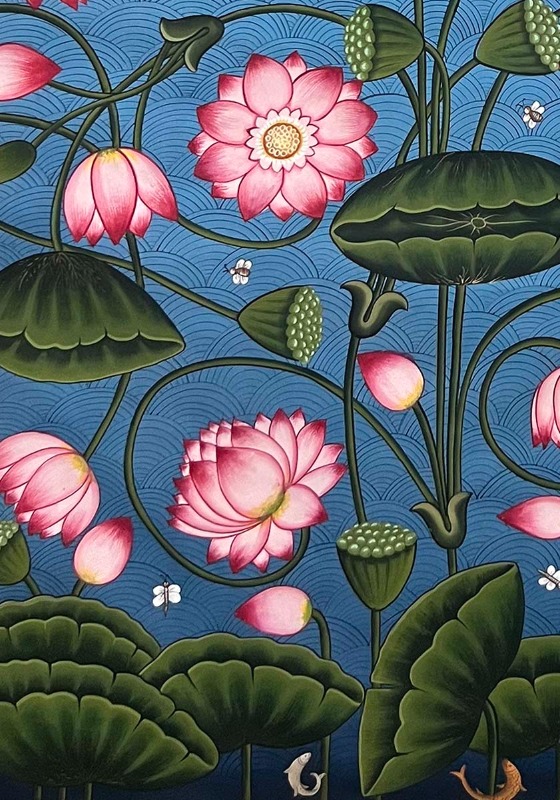
8. Lippan Kaam
Indian Art Paintings further develop into three-dimensional forms through Lippan Kaam traditional mural work. This art form itself transforms flat surfaces into raised decorative patterns. Basically, this art decorates homes with hand-made clay and mirrors, making the same detailed flower patterns, camels, peacocks, and tribal designs that shine in the desert sun. Lippan Kaam actually helps keep homes cool and definitely protects them from heat. This craft work insulates walls and reflects sunlight away from houses. This art is actually deeply connected to Kutch's cultural traditions. It has definitely been passed down from one generation to the next.
9. Rajput Paintings
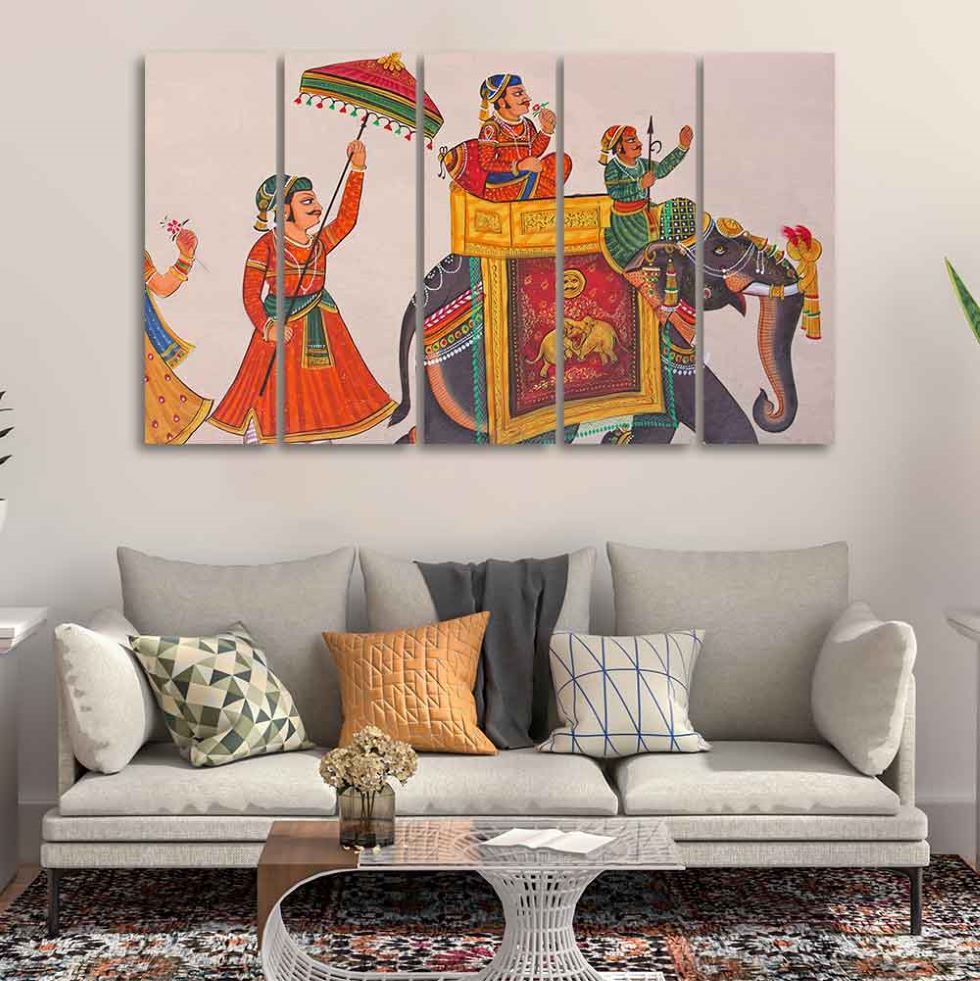
Rajput painting from Rajasthan holds a distinguished place among them. This art form further developed itself into various regional styles over time. Basically, it flourished inside the seventeenth century when Mughal miniature artists moved to Rajputana and advanced the equal inventive traditions there. We are on account that Indian Art Paintings were given their special brightness and splendor only from herbal things like minerals, flowers, shells, precious stones, and small amounts of gold and silver.
10. Pahari Paintings
We are seeing Pahari paintings as an important style in Indian art that increased in the peaceful hills of North India, only in Himachal Pradesh, Jammu and Kashmir and parts of Uttarakhand. These artifacts show beautiful themes from mythology, love stories and nature. They further inspire Ramayana, Mahabharata and Krishna legends. Originally, soft brush stroke, balanced color, and detailed work give them the same unmatched beauty. Each small painting certainly shows deep spiritual meaning and romantic feelings. In addition, Pahari art remains a permanent example of sophisticated Indian culture.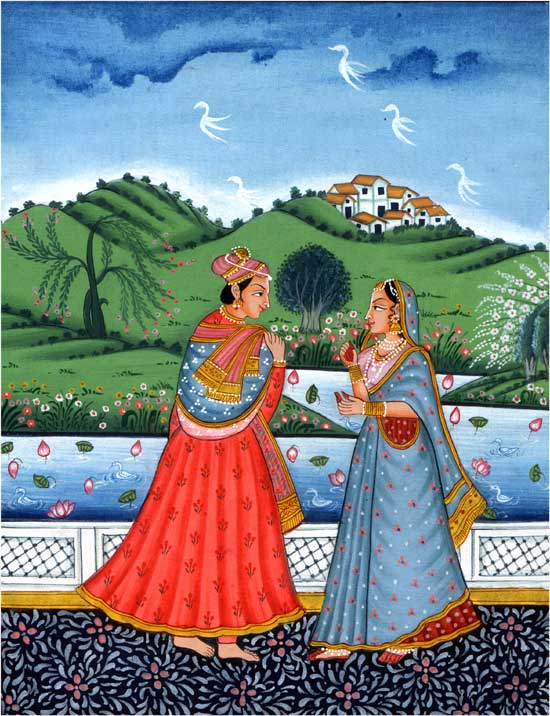
11. Kerala Murals
Kerala murals are really a special place in Indian art because of their bright colors and spiritual stories. These paintings certainly show great skills to tell religious stories through beautiful design.These murals commenced in the 7th and 8th centuries. These paintings are not only decoration, but also sacred art that show devotion and skills. Today, these paintings are used in temples, palaces and modern places according to current trends.
Copyright © IndianArtZone. All rights reserved.